
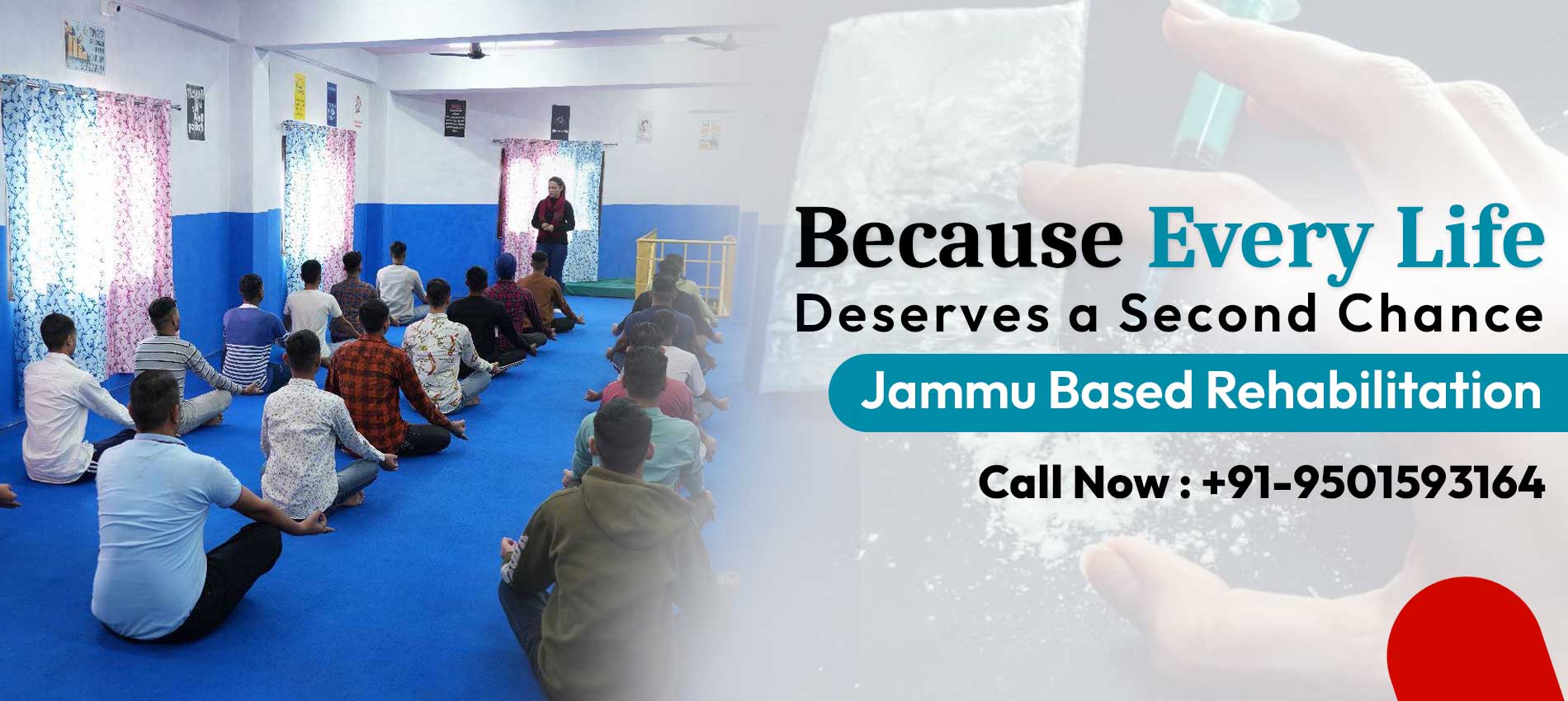
Nasha Mukti Kendra in Kalka: Benefits of Group Counselling for Addiction Recovery
Addiction recovery can sometimes feel like a lonely road. A person may want to change but still struggle with cravings, negative thoughts, damaged relationships, or a lack of confidence. This is where group counselling can bring a different kind of support. Instead of dealing with every challenge alone, individuals get an opportunity to interact with others who are also working toward recovery. A Nasha Mukti Kendra in Kalka can incorporate group-based sessions to create a more connected and encouraging rehabilitation experience.
Why Being Around Others Can Help
People going through addiction often believe that nobody can understand what they are experiencing. Group counselling can challenge this feeling. When participants hear similar stories, they may begin to feel more comfortable discussing their own difficulties.
The group setting also creates opportunities to observe how other people respond to setbacks. Someone who is struggling with a particular situation can gain a new perspective simply by listening to another participant's experience.
Turning Conversation Into a Recovery Tool
Group counselling is not just a gathering where people talk about their problems. With the guidance of a trained counsellor, discussions can focus on practical recovery-related topics. Participants may talk about managing pressure, dealing with cravings, repairing relationships, controlling anger, or adjusting to life without addictive substances.
A Nasha Mukti Kendra in Kalka can structure these conversations around activities, discussions, and reflection exercises. This allows participants to think about their own behaviour while also understanding different viewpoints.
The Power of Positive Accountability
Regular group sessions can encourage individuals to take their recovery goals seriously. When participants return to the group and discuss their progress, they have an opportunity to recognize both improvements and difficulties. This sense of accountability can encourage consistency without creating unnecessary pressure.
Over time, participants may also develop better listening, communication, patience, and cooperation skills—qualities that can be useful when rebuilding relationships outside the centre.
Carrying the Learning Into Everyday Life
The real purpose of rehabilitation is to prepare a person for life beyond the treatment environment. Lessons learned through group counselling can help individuals handle social situations, communicate more effectively, and seek support when they face difficult moments.
For this reason, group counselling can be a meaningful component of a rehabilitation program at a Nasha Mukti Kendra in Kalka. When combined with suitable medical care, individual support, family participation, and continued aftercare, it can help create a stronger foundation for long-term recovery.