
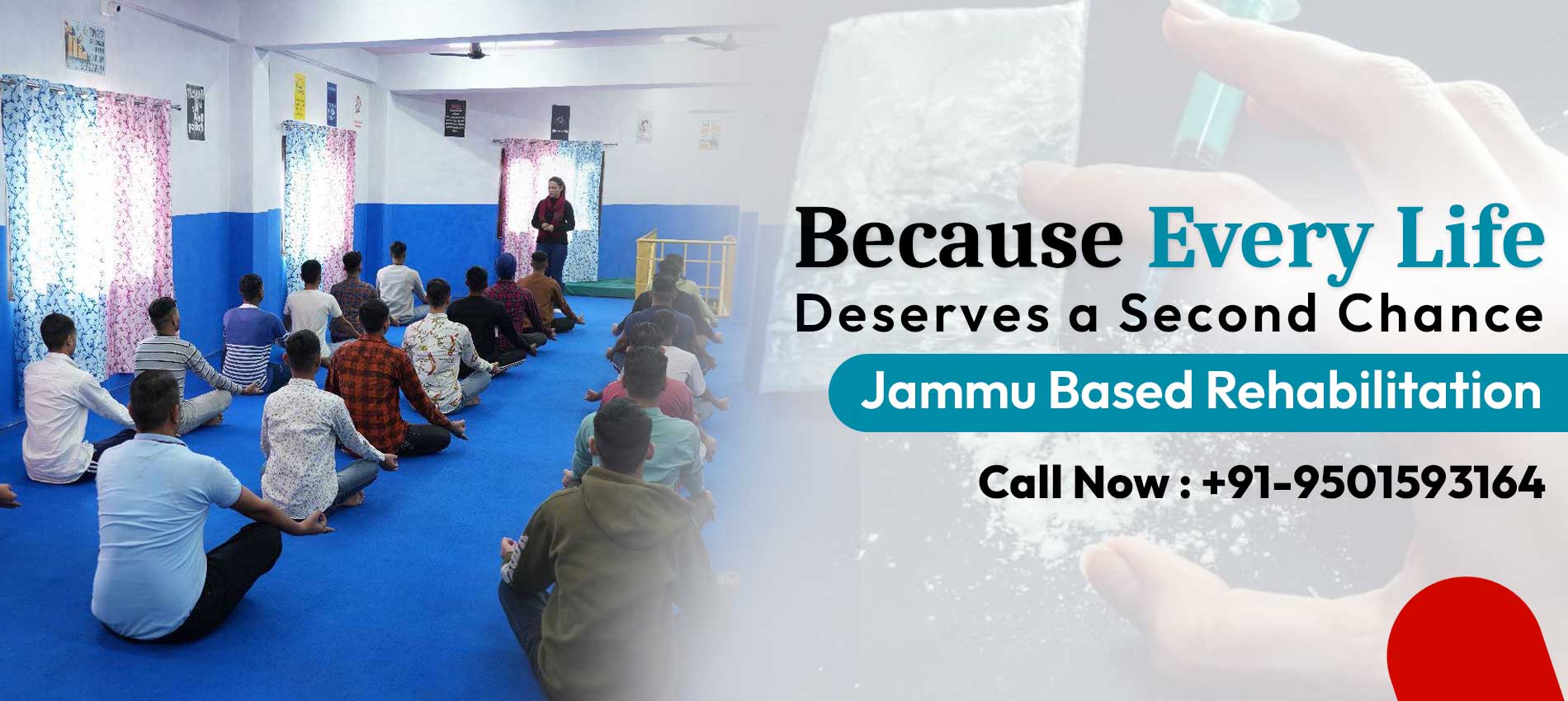
Nasha Mukti Kendra in Ahmengarh: A Path Towards Recovery
Addiction can affect a person’s physical health, emotional well-being, relationships, career, and everyday life. Seeking timely professional support can make the recovery process more structured and manageable. A Nasha Mukti Kendra in Ahmengarh provides rehabilitation and recovery support for individuals struggling with substance dependence and related challenges.
A Nasha Mukti Kendra is a rehabilitation centre where people can receive professional assistance to overcome addiction. Depending on the individual’s condition and the centre’s facilities, treatment may include medical supervision, detoxification, counselling, behavioural therapy, group sessions, lifestyle guidance, and aftercare support. The aim is not only to stop substance use but also to help individuals develop healthier coping skills and work toward long-term recovery.
Who May Need Rehabilitation?
Rehabilitation may be appropriate for people who find it difficult to control their substance use or continue using substances despite negative effects on their health, relationships, work, studies, or finances. Repeated failed attempts to quit, strong cravings, withdrawal symptoms, increasing tolerance, and frequent relapse may also indicate the need for professional support.
Common Addictions Treated
Rehabilitation centres may treat different forms of substance dependence, depending on their available services. Common examples include alcohol, opioids, heroin, prescription medications, cannabis, cocaine, stimulants, and nicotine. Treatment should be tailored to each person's needs and circumstances.
Detox, Counselling, Therapy, and Aftercare
Detoxification is often an initial stage of treatment. During detox, the body adjusts to the absence of the substance, and medical supervision may be necessary because some withdrawal symptoms can be serious. Counselling helps individuals understand triggers, emotional challenges, and behaviours connected with addiction. Therapy can teach healthier coping mechanisms and strategies for managing cravings and preventing relapse.
Aftercare is equally important because recovery continues after completing a rehabilitation programme. Follow-up counselling, support groups, family involvement, and relapse-prevention planning can help maintain progress.
Why Professional Support Matters
Addiction can involve physical dependence, behavioural patterns, emotional difficulties, and social factors. Professional support provides structured care and appropriate guidance throughout recovery.
Families can also contribute by listening without judgment, encouraging treatment, learning about addiction, supporting healthy routines, and participating in family counselling when recommended. With appropriate professional care and consistent support, individuals can take meaningful steps toward a healthier and more stable life.